

A car that will not start can feel like a dead weight. It blocks the driveway, collects pollen, and every week you wait it loses a little more value. Plenty of Orlando drivers sit in this spot, and many assume the vehicle is worthless until it is repaired. That is rarely true.
If you want to sell a non-running vehicle, you have more options than you think. Some buyers pay more than others, some make the process painless, and some will waste your time. This guide covers who purchases these cars, what affects the price, which paperwork matters, and how to avoid the mistakes that cost sellers real money.
What Counts as a Non Running Vehicle?
The label covers more ground than most people expect. A car qualifies when it cannot start, cannot move under its own power, or cannot be driven safely. Common situations in Orlando include:
- A dead engine after overheating in summer traffic
- A transmission that slips or refuses to engage
- A car that sat through a rainy season and never fired up again
- A vehicle with flood exposure
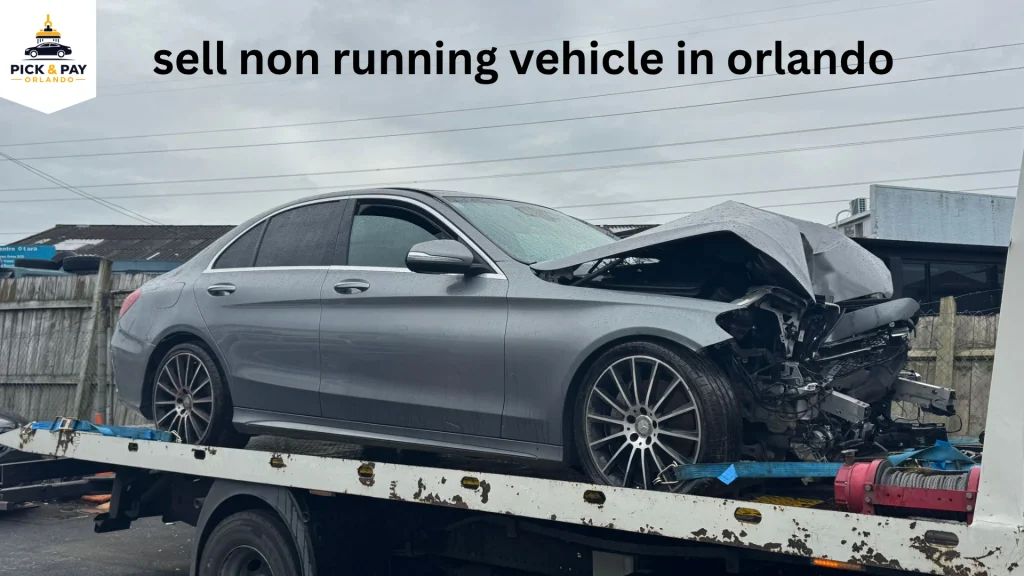
- An accident-damaged sedan, SUV, or pickup that was never fixed
- A car that needs repairs costing more than it would be worth afterward
Some owners say “dead,” others say “junk,” and buyers say “non-runner.” The label matters less than the facts: year, make, model, mileage, and where the vehicle is sitting. Those facts drive the offer.
Is It Really Possible to Sell a Car That Won’t Start?
Yes. Cars that do not run change hands every day in Orlando. The difference is that you are no longer selling transportation. You are selling a vehicle with remaining value in its metal, its condition, and its resale potential.
Buyers who handle these cars have the equipment and the experience. They send a flatbed or a wrecker, load the car, and take it away. You do not need to jump-start anything, and you do not need to make it drivable.
That is why selling through a local buyer usually beats a private listing. Private buyers want to test drive. A non-runner cannot offer that, so the car sits online for weeks while strangers send low offers and ask whether it will “turn over.”
Who Buys Non Working Cars in Orlando?
This question comes up more than any other, so here is a clear breakdown.
Local car buyers. Companies that specialize in unwanted vehicles are the most direct route. They give a quote based on your description, arrange pickup, and pay at the handoff. Pick and Pay Orlando works this way. You can start from the home page with a phone call or the quote form.
Salvage and recycling yards. They purchase vehicles for resale or processing. Their offers often lean on weight, and some require you to deliver the car.
Dealerships. Most will not touch a car that does not run unless you are buying from them. When they do, the trade-in credit is usually thin.
Mechanics and body shops. A few buy projects they can fix and flip. This works only if you know someone and the car is in good shape.
Hobbyists and flippers. Some people want a project car. They tend to pay fair prices for sought-after models and ignore the rest.
Charities. Donation programs accept non-runners, though you receive a tax receipt rather than cash.
Each of these can work. It all comes down to which option fits your timeline best . If speed and certainty matter, a dedicated local buyer wins. If you want to chase the last bit of money and have weeks to spare, a private sale or an enthusiast might pay more.
Why Do Dealerships Pass on These Cars?
Dealerships make money by reselling vehicles quickly. A non-runner works against that. It needs inspection, repair, or a tow to an auction, and each step costs time and money. Few lots want the risk.
There is also a liability side. A dealer who sells a car that later fails inspection or leaves a buyer stranded takes the blame. Skipping non-runners avoids the headache.
If you are buying another vehicle from that same dealership, the picture can change. They may fold your old car into the deal. Just read the numbers carefully, because a generous-sounding trade-in can be offset by a higher price on the new car.
What Is a Non Running Vehicle Worth?
No single number fits every car, and anyone who quotes a flat price over the phone without asking questions is just guessing. These factors move the offer most:
- Year, make, and model. Newer and more popular vehicles hold more value. A late-model SUV with a failed engine still commands more than an old compact.
- Overall condition. Intact bodies, clean interiors, and complete vehicles are worth more than stripped or burned ones.
- Mileage. High mileage lowers value, though it rarely wipes it out.
- Title status. A clear title in your name makes everything easier.
- Location. Easy access in Orlando, with room for a truck to reach the car, helps the buyer’s cost.
- Current metal prices. Market swings show up in offers, especially for older cars.
Generally speaking, a car that won’t run is worth only a fraction of what the same car would fetch in working order. The gap shrinks when the vehicle is newer, complete, and in decent shape. Do not expect the full retail figure, but do not accept a lowball either. Reach out to two or three buyers for quotes and see how they stack up.
How Do I Sell My Non Running Vehicle, Step by Step?
The process is simpler than most people expect . Here is how it typically goes with a local buyer.
Step one: gather the basics. Write down the year, make, model, mileage, and what is wrong with the car. Be honest. If it will not start, say so. If the engine seized, say that too.
Step two: take a few photos. Front, back, both sides, interior, and the odometer. Clear pictures help a buyer estimate fairly.
Step three: request a quote. Call or fill out the form. You should get an offer without paying anything or committing to anything.
Step four: compare. If the number looks fair, move ahead. If not, ask why. A reputable buyer explains how they arrived at the figure.
Step five: schedule pickup. Choose a day and a time window that suits you. Make sure the car is reachable and that the driver can get a truck close.
Step six: sign and get paid. You hand over the paperwork, the driver checks the car against your description, and you receive payment.
That is the whole thing. Many sellers finish in a day or two from first call to payment, depending on schedule and location.
What Paperwork Do I Need?
Paperwork is where deals stall, so sort it out early.
The title. This is the single most useful document. It proves you own the vehicle and lets the buyer take it legally. Make sure your name matches the one on the title.
A photo ID. The buyer needs to confirm you are the owner.
A bill of sale. Many buyers provide one. It records the date, price, and vehicle details, and it protects you after the car leaves.
Lien information. If you still owe money on the car, the lender may hold the title. Contact them first and ask what a payoff would take.
Registration. Handy to have, though not always required.
What if the title is lost? Do not panic. Many sellers are in this position. You can often apply for a replacement, or a buyer may explain other ways to document ownership. Pick and Pay Orlando mentions on its listings that missing-title situations are worth asking about, so raise it during your first call rather than hoping nobody notices. Rules about which documents are required can change, so confirm details with the buyer and with the local motor vehicle office before you sign.
How Do I Junk a Truck That Will Not Move?
Trucks bring their own questions. They are heavier, taller, and sometimes sit in awkward spots like back lots, dirt drives, or behind a fence. If you want to junk a truck, a few details help the buyer plan:
- Size and type. A half-ton pickup, a work truck, and a box truck each need different equipment.
- Drive type. Four-wheel drive and dually setups can change how a car is loaded.
- Access. Tell the buyer about gates, narrow lanes, soft ground, or low branches.
- Lift or modifications. Aftermarket changes can affect both loading and value.
- Condition of the cab and bed. Rust, hail, or collision damage all influence price.
Pickups tend to hold value well, even when they do not run. A diesel with a blown engine can still bring a reasonable offer, since demand for trucks stays strong around Orlando. Work vans and utility trucks used by local businesses sell the same way. If you are clearing a fleet of two or three, mention that upfront. A buyer who knows the volume can often offer a smoother schedule.
Should I Repair It Before Selling?
Usually not. Repairs cost real money, and you rarely recover every dollar in the sale price.
Run a quick test. Get a repair estimate, then compare it to what the car would be worth running. If the repair eats most of that figure, selling as-is makes more sense. A transmission rebuild or engine swap on an older vehicle is the classic case where owners spend thousands to gain a smaller bump.
There are exceptions. A dead battery or a loose cable is worth checking before you call anyone. If a cheap fix brings the car back to life, the value could jump. But do not chase a diagnosis for weeks. Spend an hour or a small amount on a simple check, then decide.
Also consider your own time. Arranging a tow to a shop, waiting for a diagnosis, approving a bill, and then listing the car is a long road. Selling it as it sits skips all of that.
What Should I Do Before Pickup Day?
A few small steps make the handoff go smoothly.
- Clear out your belongings. Check the glove box, trunk, door pockets, and under the seats. Personal items left behind are hard to recover later.
- Remove license plates if your plan requires it. Ask the buyer how they want to handle this.
- Cancel insurance only after the sale is complete. Do not drop coverage before the car is gone.
- Keep the keys handy, even if the car does not start. They matter for locking, steering, and moving the vehicle.
- Free up access. Move other cars, trash bins, or anything blocking the route.
- Photograph the car on pickup day. It takes two minutes and gives you a record.
- Keep your paperwork copies. Take photos of the signed title and bill of sale.
Does This Work Across Orlando?
It does. Whether your car is parked in a downtown Orlando lot, an apartment complex near Millenia, a driveway in Conway, or a garage near Lake Nona, the approach is the same. Pick and Pay Orlando serves the Orlando area, and you can see the Orlando service page for more coverage.
Neighborhoods like Winter Park, Pine Hills, Azalea Park, Dr. Phillips, and Waterford Lakes all see steady demand for this service. The common thread is a car that no longer fits into daily life and an owner who would rather not wait around.
What Mistakes Cost Sellers the Most?
Years of watching how these sales go point to a handful of repeated errors.
Accepting the first offer without comparing. One phone call is not enough. Get at least two quotes.
Hiding problems. If you describe the car as better than it is, the driver will notice on pickup day and the price will drop. Honest descriptions lead to firm offers.
Paying for towing you did not need. Ask whether pickup is included in the offer before agreeing to anything. Charges that appear at the last minute should be a red flag.
Waiting too long. Cars lose value as they sit. Tires go flat, seals dry out, and rodents move in. A decision this month usually beats a decision next spring.
Skipping the paperwork. A handshake deal without a bill of sale can come back to haunt you if the car ends up abandoned or in an accident.
Leaving the plates and registration tangled. Sort out what to do with them before the car leaves.
Falling for “guaranteed” prices that change at the curb. A fair quote is based on your description. If the number shifts, ask for the reason in plain terms.
Why Sell to Pick and Pay Orlando?
Pick and Pay Orlando buys vehicles in many conditions, including cars that no longer run, cars with accident damage, and older vehicles that have simply reached the end of their road. The focus is on buying whole vehicles, not on picking them apart, and the team works with owners across Orlando.
The process is built around the way owners actually behave. You describe the car, get a quote, choose a pickup window, and finish the sale. There is no pressure to sign on the first call and no reason to spend money on repairs first. If you have questions about the title, a lien, or a truck that sits in a hard-to-reach spot, ask them up front. Clear answers early save frustration later.
You can begin on the Pick and Pay Orlando home page with the quote form, or call the number listed there.
FAQs
Can I sell a vehicle that has a blown engine?
Yes. A blown engine lowers the price, but it does not make the car unsellable. Buyers who handle non-runners expect this problem and price it in. Describe what happened as accurately as you can, including any warning signs before the failure.
Do I need a title to sell my non-running vehicle?
A title makes the sale far easier, and it is the document most buyers ask for first. If yours is lost, ask about a replacement or other ways to show ownership, and be upfront with the buyer. Requirements can vary, so confirm the details before the pickup date.
Will I have to pay for towing?
Many local buyers arrange the pickup themselves, but terms vary. Always ask before accepting an offer whether pickup is included, and get the answer clearly. A fair buyer tells you in advance, not at the curb.
How fast can the car be picked up?
Timing depends on the buyer’s schedule, your location, and how quickly the paperwork is ready. Some sales finish within a day or two. Having your title, ID, and keys ready is the best way to speed things up.
What if I still owe money on the vehicle?
Contact your lender to learn the payoff amount. If the offer covers the balance, the sale can be arranged with the lender’s involvement. If it falls short, you would need to cover the difference. Ask the buyer how they handle liens before you commit.
Is it better to sell my car or donate it?
It depends on your goal. A sale puts money in your hand and closes the matter quickly. A donation may give you a tax deduction, but the process can be slower and the benefit is usually smaller than the cash. Compare both figures before deciding.
Final Thoughts
A car that will not start is a problem, but it is also an asset with remaining value. You do not need to fix it, drag it to a lot, or wait weeks for strangers to answer a listing. You need an honest description, a clean set of papers, and a buyer who shows up when they say they will.

- Cars for Cash Pick Up Near Me: How Orlando Owners Get Paid at Their Own Curb - October 15, 2026
- Sell Non Running Vehicle in Orlando: What Owners Should Know First - October 15, 2026
- Car Junkyard in Orlando: How to Turn an Unwanted Vehicle Into Cash - October 14, 2026